


This is not to frighten or deter you, but rather to give you the hard facts about what lies ahead. Maybe you had one or two drinks at a party and then immediately got back on your sobriety game. By thinking about what you’ll do in the face of triggers ahead of time, you’re increasing your chances of success. Triggers are the people, places, situations, and feelings that make you want to drink. If you have bottles that are valuable or sentimental and you can’t bring yourself to toss them out, give them to a friend or family member.
What Happens to Your Body When You Stop Drinking?
Watch for changes in your mood, emotions, or mental well-being along the way. If you notice any troubling symptoms, don’t hesitate to seek professional help for your mental health. Perceived social support can play an important part in alcohol use recovery. If you’re questioning just how at-risk your drinking is for alcohol dependence, I’ll include a quiz at the end of the article to help you assess your current drinking habits. At the very least, you want to get your drinking habits and health under control. In this post, I’ll show you how to stop drinking using simple techniques, mindset shifts, and relying on the support systems around you.
- His leadership is grounded in strategic vision, hands-on execution, and an unwavering commitment to those being served.
- However, deep reflection may help uncover where internal triggers arise.
- When you decide to quit drinking, you might find these underlying conditions get worse before they get better.
- The connection between mental health and alcohol consumption is stronger than many people realise.
Real-Life Recovery: “Kara’s” Story

You can become conditioned to reach for a drink when your environment offers up certain cues. We all become conditioned to have certain responses to triggers throughout our lives. It’s normal for certain stimuli to cause a reaction in your mind and body without even being aware of it. We have a whole article dedicated to the benefits of giving up alcohol which you can read, with additional free resources available. The question you need to ask yourself is not “ Shall I have a drink now” but “Do I want to become a drinker again and never be allowed to stop? Live an alcohol-free life and be on your guard not to fall back into the trap.
Health Insurance Plans
Discover practical ways to help alcoholism an alcoholic in your life. Learn what actually helps, what doesn’t, and how to support recovery while protecting yourself. Consider medication – Medication-assisted treatment can substantially increase your chances of success. Naltrexone is an FDA-approved medication that reduces cravings and makes alcohol less rewarding if you do drink.
How to Know When It’s Time to Cut Back
The more prepared you are, the less panicked you’ll feel and the less impulsive decisions you’ll make. This is just one more small step that leads to those big, long-lasting wins. Start your recovery journey with peace of mind, knowing your care is covered. Discover affordable rehab centers near you, offering easy access and convenience. Stay close to family and friends while getting the support you need.

Setting healthy boundaries with those who encourage drinking is essential. Surrounding yourself with understanding and supportive individuals strengthens commitment and makes long-term sobriety more achievable. Clear communication fosters encouragement and accountability. Handling cravings to drink requires practical strategies, marijuana addiction emotional support, and a strong commitment to change. Cravings can be triggered by stress, social settings, or habits, but developing healthy coping mechanisms can help resist urges. Seeking support from family, friends, or peer groups provides encouragement, accountability, and emotional stability.
Change how you think about drinking & alcohol
Dialectical Behavior Therapy (DBT) helps manage emotions and stress. 12-step Facilitation Therapy encourages peer support through Alcoholics Anonymous (AA), and family or couples therapy repairs relationships affected by alcohol use. Combining therapy with medication and peer support increases long-term recovery success by treating both the physical and emotional aspects of alcohol dependence.
Are there tips for how to quit drinking without going through withdrawal?
- It helps you address underlying triggers of alcohol use, develop coping strategies, and bring you back on track when you relapse.
- Tools like SMART Recovery offer structured, evidence-based support if you’re quitting without formal rehab.
- While heavy drinkers are the only ones who experience liver effects from alcohol, the improvements can be felt very quickly.
If you’re wondering how to stop drinking alcohol every night and you tend to drink at home, don’t keep alcohol in your house. If there are certain times of day or situations in which you typically drink, come up with alternative activities you can do instead to fill those moments. This is where online counseling platforms offer solutions.
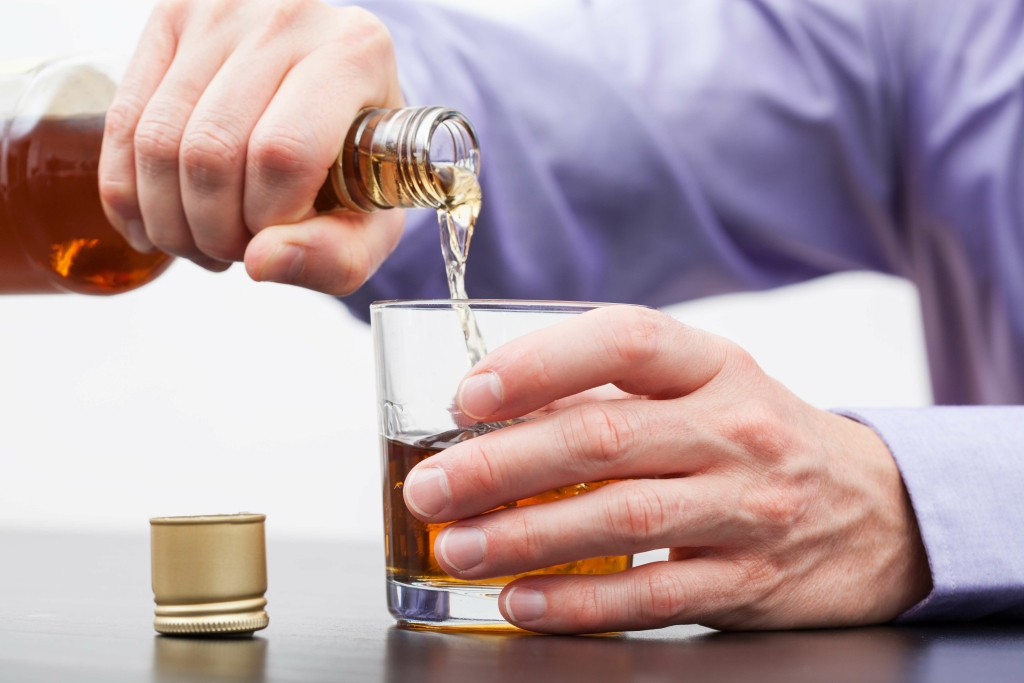
Prepare for Alcohol Cravings
Explore our full library of resources to find a plan that works for you—and when you’re ready, take the first step with Ria Health. Our approach combines the best aspects of professional care with the convenience of telemedicine—allowing you to receive expert support from your phone, on your schedule. Customize your plan to fit your lifestyle, and revise it as you learn what works best for you. At Ria Health, we understand that families are powerful. Our family program offers education, resources and support to loved ones of Ria Health members. Ria Health offers several FDA-approved medications for alcohol use disorder.
What seems impossible and hard to do will become simpler when you follow the steps discussed in the article. Remember, it’s a gradual process, and you may face challenges, but there is a way around them if you are determined. Alcohol typically clears from the body within 12 to 24 hours, depending on factors like weight, liver function, and how much was consumed.
